
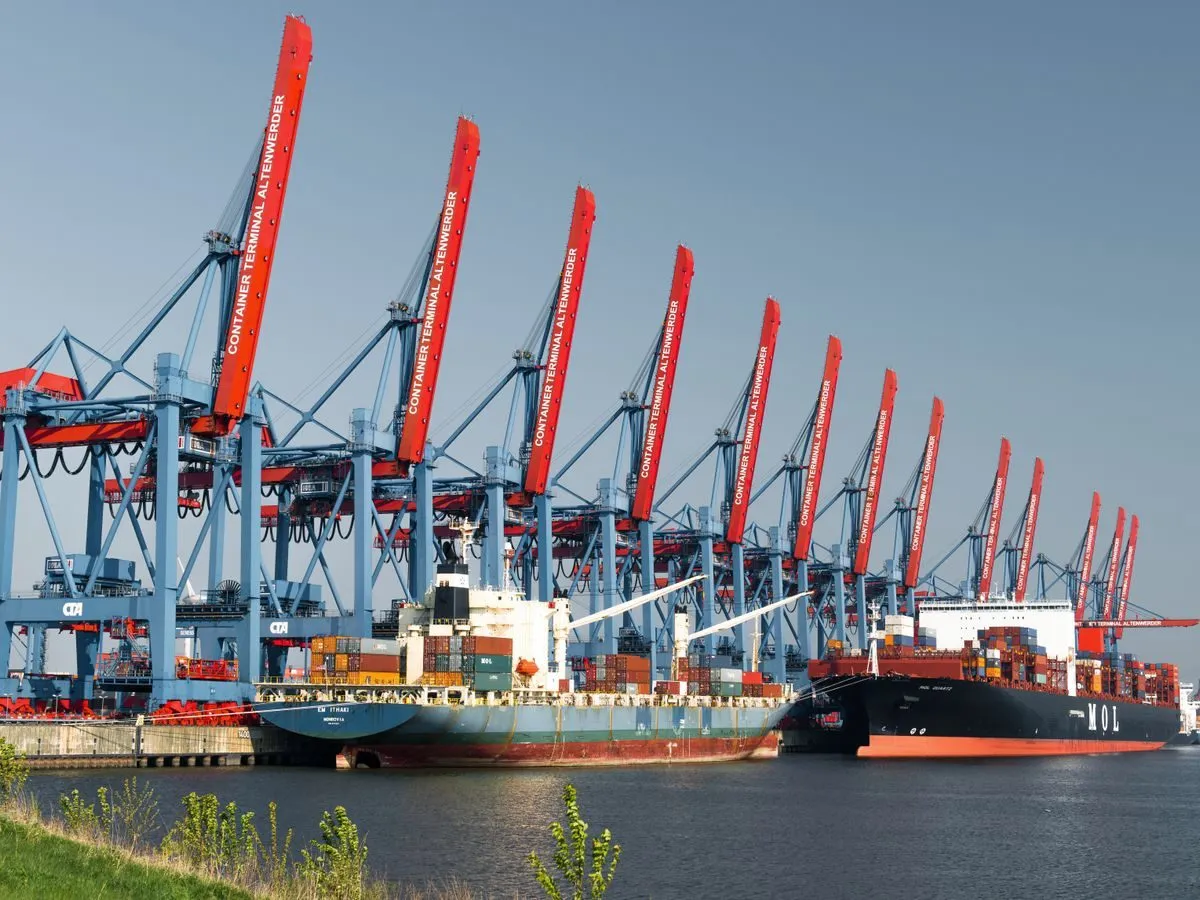
We bring trade compliance into SAP: customs declarations, sanctions and restricted-party screening, export controls, and free-trade-agreement and duty management, so goods move across borders without delays.
Customs
declarations and trade compliance handled in SAP
Screening
sanctions and restricted-party checks on every partner
Duties
free-trade agreements and duty management
SAP GTS
SAP Global Trade Services, connected to your ERP
A shipment held at the border costs more than the duty. Most delays come from missing data, wrong classifications or a partner nobody checked.
What we manage
Choose an area to see the problems we solve, what we deliver and the SAP solutions we use.
Sanctions and party screening
The problem
- Customers and suppliers checked by hand, or not at all
- Sanctions lists that change every week
- Orders shipped before anyone noticed a match
What we deliver
- Automatic screening of customers, suppliers and partners
- Checks on orders and deliveries before they ship
- Daily updates of sanctions lists from a content provider
- Review and release workflow for possible matches
- SAP Global Trade Services
- Sanctioned party list screening
The result: No order ships to a party you shouldn’t trade with.
Export controls
The problem
- Controlled goods not identified
- Licences tracked in spreadsheets
- Shipments blocked late in the process
What we deliver
- Product classification for export control
- Licence determination and tracking
- Embargo checks by country
- Blocks and release workflows built into SAP
- SAP Global Trade Services
- S/4HANA sales and logistics
The result: Controlled goods shipped only with the right licence.
Customs declarations
The problem
- Customs data re-keyed by brokers
- Wrong or missing tariff codes
- Goods waiting at the border for documents
What we deliver
- Tariff classification of products
- Customs declaration data generated from SAP
- Integration with brokers and customs systems
- Document management for each shipment
- SAP Global Trade Services
- SAP Integration Suite
The result: Cleaner declarations and fewer delays at the border.
Free-trade agreements and duties
The problem
- Duty paid where an agreement would have reduced it
- No proof of origin when customs asks
- Duty cost unclear in product margins
What we deliver
- Origin calculation for free-trade agreements
- Supplier declarations collected and tracked
- Duty calculation and reporting
- Duty cost visible in product costing
- SAP Global Trade Services
- S/4HANA
The result: Duty savings claimed, with proof ready.
Special customs procedures
The problem
- Bonded warehouse stock tracked outside SAP
- Re-exports and processing not documented
- Audit questions on duty-suspended goods
What we deliver
- Bonded and customs warehouse management
- Inward and outward processing
- Movements and balances tracked in SAP
- Reports for customs audits
- SAP Global Trade Services
- S/4HANA inventory
The result: Duty-suspended goods fully under control.
How we deliver
Assess
Trade flows, countries, products and current risks.
You get: A trade compliance baseline
Design
Screening, classification and customs processes in SAP.
You get: A signed-off design
Build
Configure SAP GTS and connect it to your ERP and partners.
You get: A tested solution
Classify
Product data cleaned and classified.
You get: Trade-ready master data
Run
List updates, monitoring and support with iCare AMS.
You get: Compliance every day
Before and after
Trade today
- Partners checked by hand
- Tariff codes in spreadsheets
- Brokers re-keying data
- Agreement savings missed
Trade with INK and SAP GTS
- Automatic screening on every order
- Products classified in one place
- Customs data from SAP
- Duty savings claimed with proof
Related: Supply Chain Planning & Logistics · Local Tax & e-Invoicing · Integration & APIs
Keep goods moving across borders
Tell us where you import and export, and where shipments get stuck. We’ll show you what SAP can automate.
Frequently asked questions
What is SAP Global Trade Services?
SAP's solution for trade compliance and customs, connected to S/4HANA. It screens partners, controls exports, prepares customs data and manages duties.
Where do sanctions lists come from?
From specialist content providers, updated regularly and loaded into SAP automatically.
Do we still need a customs broker?
Often yes. SAP sends clean declaration data to your broker or customs systems, so there is less re-keying and fewer errors.
Which industries need this most?
Manufacturers, distributors and any business importing or exporting regularly, especially with controlled goods or many trading partners.